
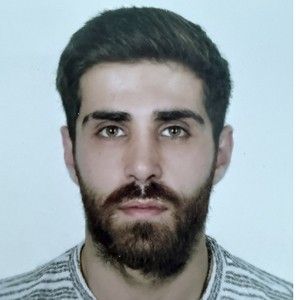
Ahmet Hakan Turk
Turgut Ozal Medical Center, TurkeyPresentation Title:
A critical overview of metformin use from past to present
Abstract
Metformin, derived from Galega officinalis (Goat's rue), is a guanidine derivative. Its molecular formula is C4H11N5, formed by the bonding of two guanidine groups via a carbon-nitrogen bridge. It is commercially available with the structural formula C4H11N5+HCI. It has an average molecular weight of 129.16 g/mol and is frequently preferred as a first-line treatment for type 2 diabetes. It is the most commonly prescribed oral anti-diabetic agent to date and can be formulated in combination with GLP-1 agonists, SGLT-2 inhibitors, and DPP-4 inhibitors, in addition to being preferred as monotherapy. In addition to type 2 diabetes, it has been observed to have positive effects on diseases such as obesity, PCOS, neurodegenerative disorders, and cardiovascular system disorders, and studies are ongoing regarding its effects on cancer and ageing. Common side effects observed with long-term treatment include gastrointestinal disorders, lactic acidosis, and a decrease in vitamin B12 levels. It is more economical than most anti-diabetic agents and is one of the most readily available drugs worldwide. Due to its economic benefits, ease of access, clinical reliability, and being the preferred choice in various international treatment guidelines, Metformin is becoming increasingly important and is being prescribed more frequently.
Biography
Ahmet Hakan Türk is a pharmacist and MSc candidate in Pharmacology at İnönü University, Faculty of Pharmacy (2024–present). He earned his PharmD degree from İstanbul Biruni University in 2023. His academic and professional background combines hospital pharmacy practice, pharmaceutical production management, and research in clinical and experimental pharmacology. His current master’s research focuses on the investigation of the effects of linagliptin and gymnemic acid in experimentally induced Type 2 diabetes in rats, with an emphasis on metabolic and pharmacological outcomes. His research interests include experimental pharmacology, drug safety, metabolic disorders, neuropharmacology, and translational and clinical pharmacology. Dr. Türk has contributed to several scientific publications, including A Critical Overview of Metformin Use from Past to Present (IntechOpen, 2026), as well as works on drug use in pregnancy and the pharmacological role of melatonin. He has also been invited as a speaker on clinical pharmacology topics, delivering presentations on drug interactions and the rational use of antibiotics at Turgut Özal Medical Center. Professionally, he currently serves as a Public Pharmacist at Turgut Özal Medical Center, where he is involved in pharmaceutical supply management, clinical collaboration, and pharmacovigilance. He has also worked as a community pharmacist and has extensive experience as a Production and Sales Manager in the pharmaceutical industry, overseeing manufacturing processes and regulatory compliance. His work reflects a strong commitment to advancing pharmacological research and improving patient care.

Organization Location
1309 Coffeen Avenue, STE 1200, Sheridan, Wyoming 82801, USA
General Enquiry
contact@scientexconferences.com
Finance Enquiry
finance@scientexconferences.com
Call us at
USA : (+1) 725 228 9352